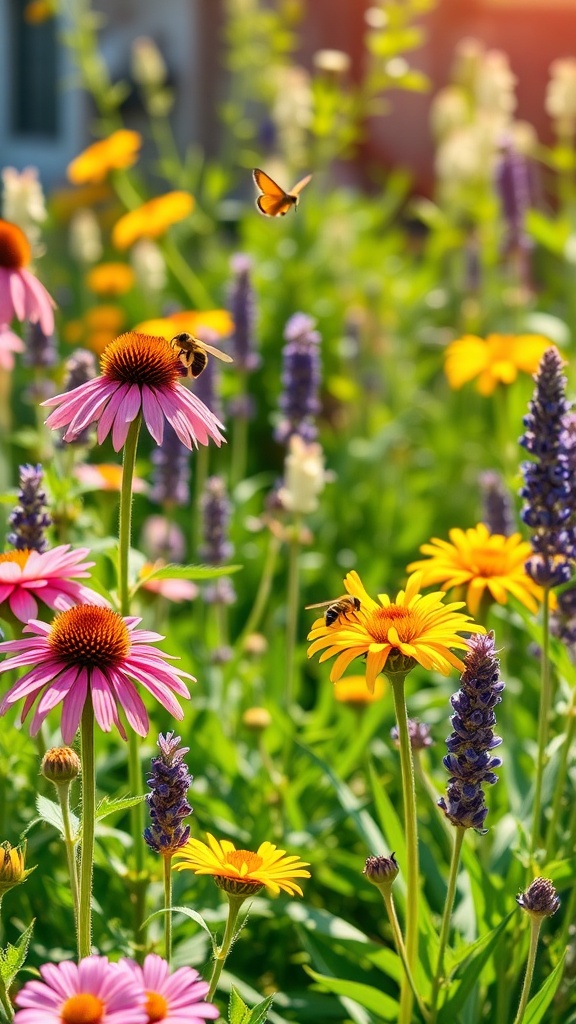
Spring Gardening Tips: Building a Pollinator‑Friendly Garden to Boost Biodiversity

Hook
Ever wondered why your garden feels empty despite the blooming flowers? The missing piece is often the tiniest workers — pollinators. In 2024 the EPA warned that bee populations are dropping at an alarming rate, and the simplest way you can help is right in your backyard.
Context
Spring is the perfect time to lay the groundwork for a garden that not only looks good but also feeds the ecosystem. Whether you have a balcony, a small suburban lot, or a city courtyard, you can create a pollinator haven that supports local biodiversity and gives you richer harvests.
What Native Plants Attract the Most Pollinators?
Choosing plants that are native to your region is the single most effective step. Native species have co‑evolved with local bees, butterflies, and hummingbirds, offering the right nectar timing and pollen quality.
- Coneflower (Echinacea spp.) — bright, long‑blooming heads that attract honeybees and solitary bees alike.
- Bee Balm (Monarda didyma) — aromatic foliage and tubular flowers perfect for bumblebees and hummingbirds.
- Lavender (Lavandula angustifolia) — fragrant spikes that draw a steady stream of hoverflies and mason bees.
- Black‑eyed Susan (Rudbeckia hirta) — late‑summer bloom that bridges the gap for pollinators heading into fall.
Source: Xerces Society’s “Pollinator Plant Guide” (2023)
How Many Plants Do I Need?
A good rule of thumb is one square foot of flowering ground per 1,000 sq ft of garden space. In a 10‑ft‑by‑10‑ft plot, aim for at least ten native plants spaced to allow easy access for insects.
Where Should I Place Water Sources?
Pollinators need water, but a shallow dish can become a drowning trap. Create a miniature birdbath with a few stones or a splash zone using a small fountain pump. Keep the water shallow (1‑2 in) and change it weekly to prevent mosquito breeding.
Can I Use a Simple DIY Solution?
Absolutely. A shallow ceramic bowl filled with pebbles and water works fine. Add a few floating leaves for shade, and you’ve got a pollinator oasis.
Which Pesticides Should I Avoid?
Most conventional pesticides are broad‑spectrum and kill beneficial insects along with pests. Instead, adopt integrated pest management (IPM):
- Monitor — regularly inspect leaves for signs of damage.
- Mechanical control — hand‑pick pests or use sticky traps.
- Biological control — introduce ladybugs, lacewings, or nematodes.
- Targeted treatments — if you must spray, use organic neem oil early in the morning when pollinators are less active.
EPA’s “Integrated Pest Management for Home Gardens” (2024) recommends limiting synthetic pesticide use to less than 5 % of total garden inputs.
How Do I Design for Seasonal Continuity?
A garden that blooms from early spring to late fall provides a steady food source. Layer your planting schedule:
- Early spring — crocuses, snowdrops (early nectar).
- Mid‑spring — coneflower, bee balm.
- Summer — lavender, black‑eyed Susan.
- Late summer/fall — asters, goldenrod.
By staggering bloom times, you keep pollinators coming back throughout the growing season.
What Simple Materials Can I Reuse?
- Old pallets — turn them into raised beds; line with landscape fabric.
- Recycled glass bottles — cut the bottoms off and use as mini planters for herbs that also attract bees.
- Coffee grounds — sprinkle around acid‑loving plants like blueberries; they improve soil texture and provide additional nutrients.
Takeaway
Creating a pollinator‑friendly garden is less about fancy gadgets and more about thoughtful plant choices, water, and pesticide discipline. Start small: pick three native flowers, add a shallow water dish, and ditch the chemicals. Watch as bees, butterflies, and even hummingbirds turn your garden into a buzzing, biodiverse sanctuary — and enjoy the bonus of healthier fruits, vegetables, and a brighter spring space.
Related Reading
- Eco‑Friendly Home Office Setup: Tips for Remote Workers — Extend your sustainability mindset beyond the garden.
- Spring Kitchen Deep Clean: Sustainable Practices for a Healthier Home — Pair a clean kitchen with a thriving garden for the ultimate eco‑friendly lifestyle.
- Spring Wardrobe Refresh: Sustainable Fashion Tips for 2026 — Keep your entire spring ecosystem—garden, home, and closet—in harmony.
- Spring Refresh: 5 Lifestyle Trends to Embrace in March 2026 — See where pollinator gardening fits into broader spring trends.