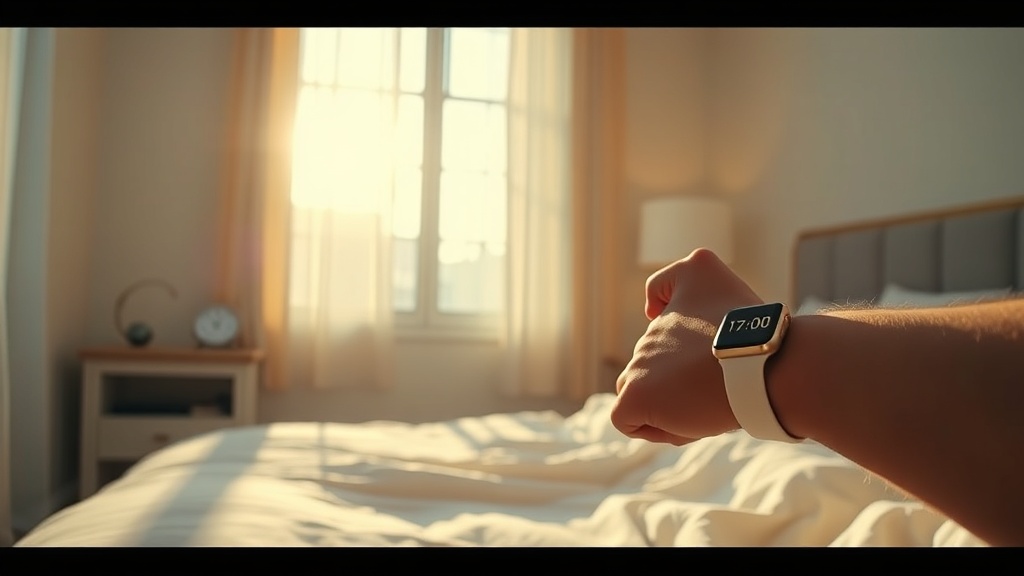
Daylight Saving 2026: Simple Strategies to Reset Your Circadian Clock

Did the clock jump forward and leave you feeling groggy? You’re not alone—many of us scramble to adjust after daylight saving time, battling what scientists call "spring fatigue." In this post, I’ll share practical, science‑backed tweaks to your light exposure, meals, and evening routine that help reset your circadian rhythm and boost energy.
Why does daylight saving time throw off our internal clock?
Our bodies run on a roughly 24‑hour cycle driven by light cues. When clocks spring forward on March 9, 2026, we lose an hour of morning light, delaying the signal that tells our brain it’s time to wake. The CDC explains that this shift can shorten melatonin production, leading to increased sleepiness and reduced alertness for up to a week.
How can I use light to realign my circadian rhythm?
1. Embrace bright morning light. Open curtains as soon as you get up, or step outside for 10‑15 minutes. A study from Harvard Health shows that exposure to 2,500 lux in the first hour can advance your internal clock by up to 30 minutes.
2. Dim evening light. Switch to warm, low‑intensity bulbs after sunset. Blue‑light‑blocking glasses (or the Apple Watch Ultra 3 Nightstand mode) help signal to your brain that it’s time to wind down.
What role does meal timing play?
Eating too late can push your circadian rhythm later, making it harder to fall asleep. Aim to finish dinner at least 2‑3 hours before bed. Research from the American Society for Nutrition links earlier meal times with better sleep quality.
Consider a light, protein‑rich snack (e.g., Greek yogurt) if you need a bedtime bite; it won’t spike insulin dramatically, which can interfere with melatonin.
Which evening routine tweaks can curb spring fatigue?
• Keep a consistent bedtime. Even on weekends, go to sleep within a 30‑minute window. Consistency beats any single "sleep hack."
• Limit caffeine after 2 PM. The half‑life of caffeine is about 5‑6 hours; drinking it late can linger into your new sleep window.
• Use a calming wind‑down ritual. A short meditation, reading (no screens), or gentle stretching can cue your body for sleep. I personally set a 5‑minute stretch routine that includes checking my favorite Mac settings for night‑mode to reduce blue light.
How long will it take to feel normal again?
Most people adjust within 3‑5 days, but if you’re still feeling sluggish after a week, try a short “sunlight reset”: spend 30 minutes outside at midday (around 12‑1 PM) to give your body a stronger light cue.
Takeaway: Your 3‑Day Reset Plan
- Day 1: Wake at your usual time, get 15 minutes of bright light, finish dinner by 7 PM.
- Day 2: Dim lights after sunset, avoid caffeine after 2 PM, add a 5‑minute stretch before bed.
- Day 3: Take a midday walk for 30 minutes, keep bedtime consistent, track sleep with your Apple Watch.
Follow these steps, and you’ll be back to feeling energetic before the next meeting.
Related Reading
- Spring lifestyle trends to keep you refreshed — more ideas for a seasonal reset.
- 12 settings I change on every new Mac — how I tweak my tech for better focus, including night‑mode tips.
- Apple Watch Ultra 3 vs Series 10 — choose the watch that best tracks your sleep.
Got a trick that helped you survive the time change? Drop a comment below — I love hearing what works for real Apple users like you.