Apple Ecosystem in 2026: The Real Reason It Still Beats Everything Else

The Apple ecosystem is no longer just a marketing phrase—it’s a practical, deeply integrated experience that shapes how millions of people work, communicate, and relax. In 2026, the question isn’t whether Apple devices are good individually. It’s whether anything else can match how seamlessly they work together.
This isn’t about brand loyalty. It’s about friction—or the lack of it. Once you’ve used multiple Apple devices together, the idea of going back to isolated gadgets feels outdated.
What “Ecosystem” Actually Means in Practice
Most tech companies claim to have ecosystems. Apple actually delivers one. The difference shows up in small, everyday interactions that quietly save time and mental effort.
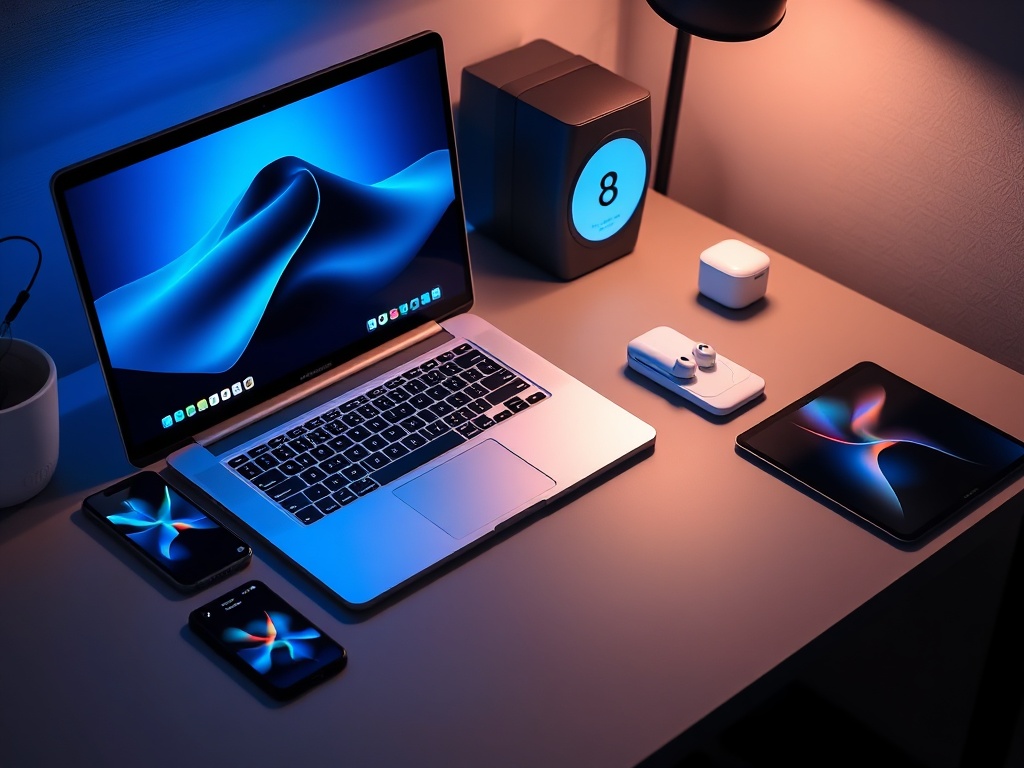
Start typing an email on your iPhone and finish it on your Mac without thinking. Copy a link on your iPad and paste it instantly on your MacBook. Take a call on your Apple Watch while your phone charges in another room. These aren’t features you toggle—they just work.
The magic is continuity. Apple has spent years removing barriers between devices, and in 2026, it feels almost invisible.
The Core Features That Define It
- Handoff: Move tasks between devices instantly
- Universal Clipboard: Copy once, paste anywhere
- AirDrop: Fast, reliable file sharing
- iCloud Sync: Everything stays updated automatically
- Continuity Camera: Use your iPhone as a Mac webcam
Individually, these features are useful. Together, they eliminate entire categories of friction.
Why Competing Ecosystems Still Fall Short
There’s no shortage of alternatives. Windows PCs, Android phones, and third-party services can replicate pieces of the Apple experience. But replication isn’t integration.
The core issue is consistency. Apple controls the hardware, software, and services layer. That means features don’t just exist—they’re optimized end-to-end.
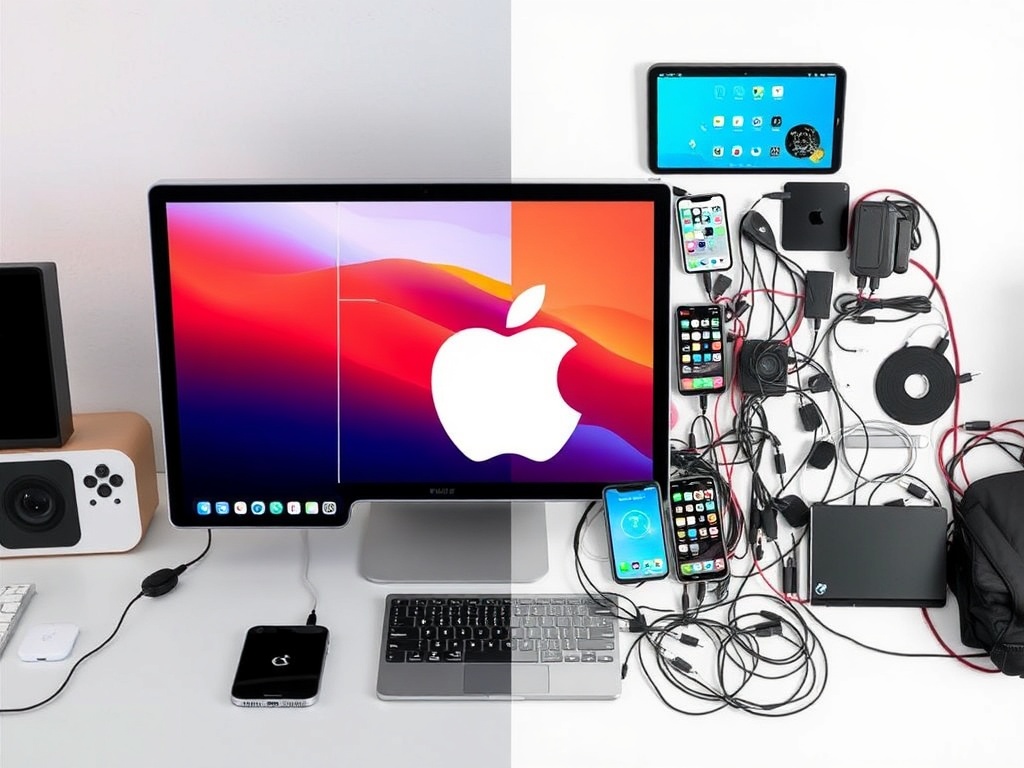
In contrast, cross-platform setups rely on patches: apps, plugins, cloud workarounds. They can work well, but they require effort and maintenance. Apple’s approach removes that overhead.
The Hidden Cost of “Almost Works”
When your tools don’t sync perfectly, you adapt. You email files to yourself. You use third-party apps to bridge gaps. You double-check versions.
These micro-frictions add up. Over time, they cost more than hardware upgrades ever will.
The Real Advantage: Time and Attention
The biggest benefit of the Apple ecosystem isn’t speed—it’s focus.
When your devices work together, you stop thinking about them. You’re not managing files, syncing notes, or troubleshooting connections. You’re just doing the task.
This shift is subtle but powerful. It’s the difference between using technology and being slowed down by it.
Examples That Actually Matter
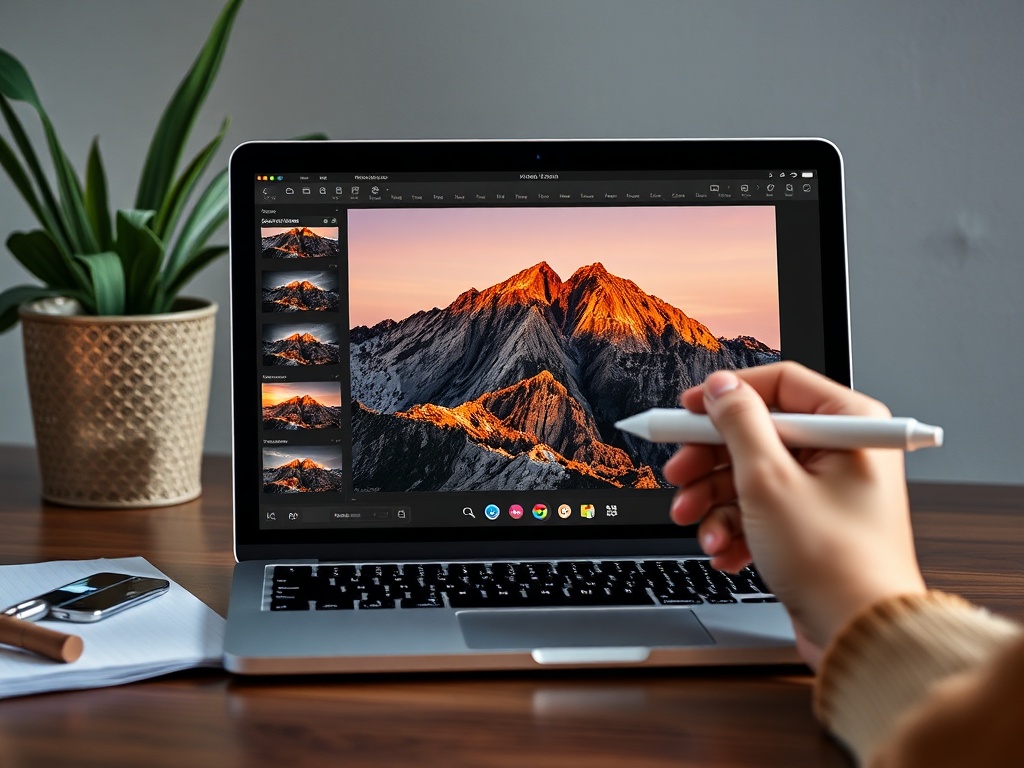
- Photographers edit instantly across devices without exporting files
- Students switch between note-taking and research without losing context
- Professionals jump between calls, documents, and messages seamlessly
These are real-world advantages—not spec sheet wins.
Privacy as a System Feature
Apple’s ecosystem advantage isn’t just about convenience. It’s also about control.
Privacy is built into the system architecture. Data syncs through encrypted channels, app tracking is restricted by default, and permissions are transparent.
This matters more as devices become more interconnected. The more your devices share, the more important it is to know how that data is handled.
In 2026, privacy isn’t a bonus—it’s part of the core value proposition.
The Lock-In Question (And Why It’s Complicated)
Critics often point to ecosystem lock-in as a downside. And they’re not wrong.
Once you’re fully invested, switching becomes harder. Your photos, messages, apps, and workflows are tied together.
But this isn’t accidental—it’s a byproduct of deep integration.
The real question is whether the benefits outweigh the limitations. For most users, the answer depends on how many Apple devices they use and how much they value simplicity.
When Lock-In Becomes Worth It
- You use 3+ Apple devices daily
- Your work depends on smooth transitions between devices
- You prioritize reliability over customization
If those apply, the ecosystem stops feeling restrictive and starts feeling efficient.

Who Should (and Shouldn’t) Buy Into It
The Apple ecosystem isn’t for everyone.
If you prefer maximum customization, open systems, or budget flexibility, you may find Apple limiting. The ecosystem works best when you commit fully—and that’s not always practical.
But if you value simplicity, consistency, and long-term usability, it’s hard to beat.
Best Fit Users
- Professionals who switch between devices constantly
- Students managing multiple workflows
- Creators working with media across platforms
- Anyone tired of managing tech instead of using it
The ecosystem isn’t about features—it’s about removing friction from your daily routine.

Final Take: Why Apple Still Wins in 2026
Apple doesn’t win because of specs, pricing, or even innovation alone. It wins because everything works together.
That sounds simple, but it’s incredibly hard to replicate. Most competitors build great individual products. Apple builds a cohesive system.
In 2026, that difference still matters.
If your goal is to spend less time managing devices and more time getting things done, the Apple ecosystem remains the most complete solution available.